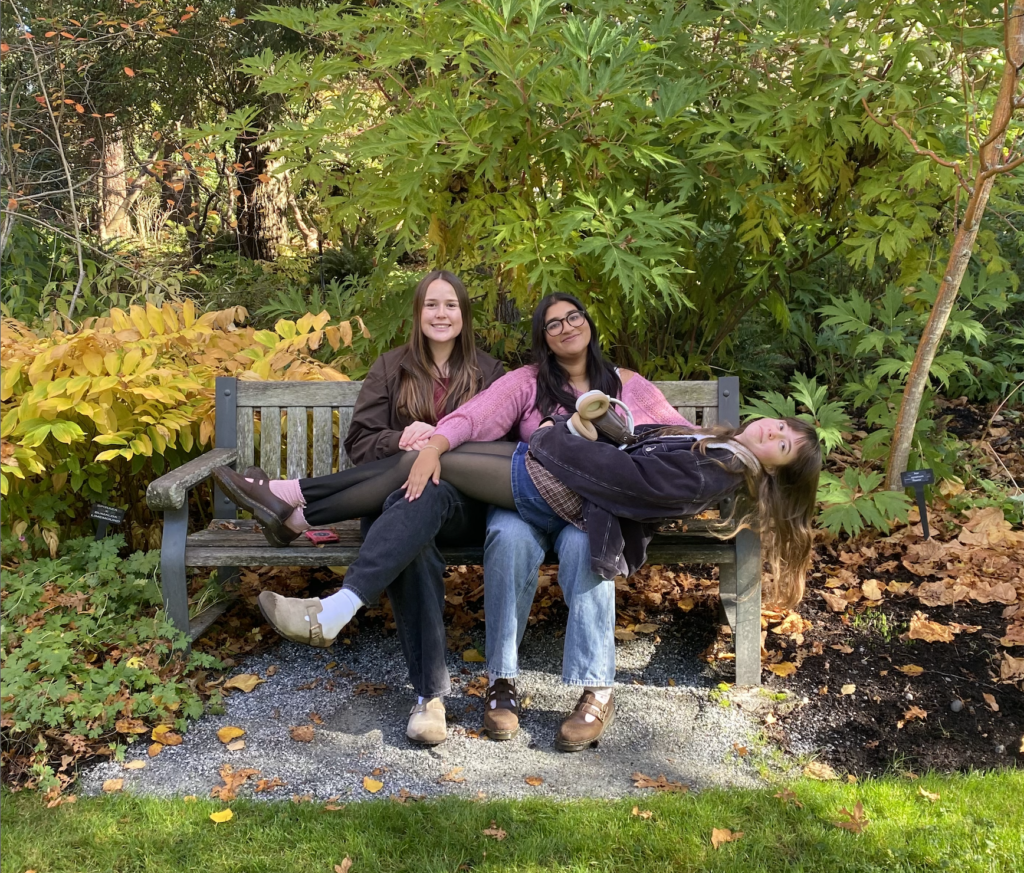
On Friday, October 23rd, we met in person at Finnertry Gardens. We started the class with a circle discussion about outdoor education and technology. Guest speaker Kristen Perice joined us to talk about outdoor education. Afterward, we explored the gardens and kept an eye out for QR codes.
So, what?
As we walked around the garden, I felt very at peace. It was a lovely, sunny day, and many leaves were falling. I decided to document my experience by filming parts of my walk. Though I am happy I documented my experience, whipping out my phone to constantly film kind of took me out of my peaceful state. I really enjoyed this field trip; it relaxed me quite a bit, which shows how connecting with nature supports overall well-being. Honestly, after finding QR 3, 4, and 5, I forgot there was more to find. But I thought it was a great way to incorporate technology seamlessly into nature without completely disturbing the environment.
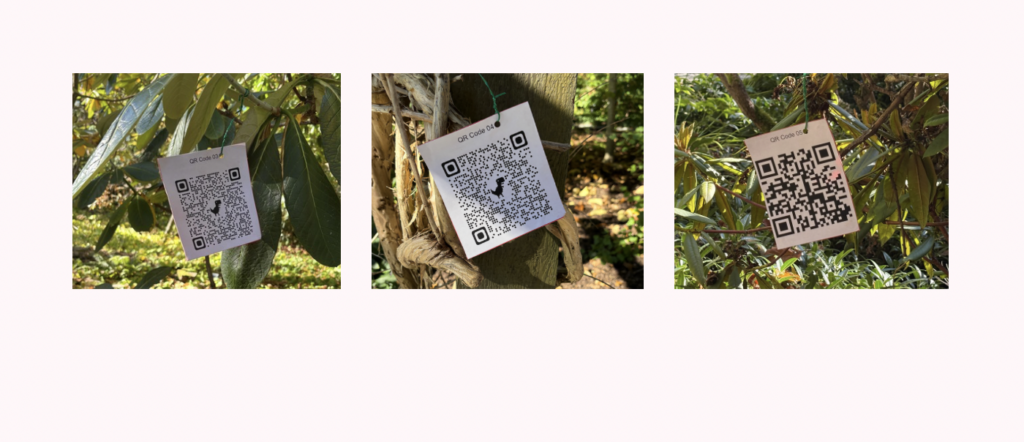
QR #3 talked about how to use the environment as a resource to inspire and build curriculum.
QR #4 encouraged us to capture our outdoor adventure.
QR #5 asked, “What three words best capture your experience being in the garden today?”
Three words that I would use would be radiant, peaceful, and community.
QR codes found in the gardens:
Now, what?
After our experience, I am reminded of the importance of nature and connecting to it. As a future teacher, I will incorporate the outdoors into my classroom, as I think it is vital for learning. Overall, I really enjoyed this field trip. Thank you, Michael, for organizing it and thank you, Kristen, for being a guest speaker!!
Today’s lecture centred on multimedia learning. We discussed what multimedia is and its benefits not just in the classroom, but in everyday life. Multimedia combines words and images, which aids learning and understanding. We discussed many different forms of multimedia and other applications that benefit teachers.
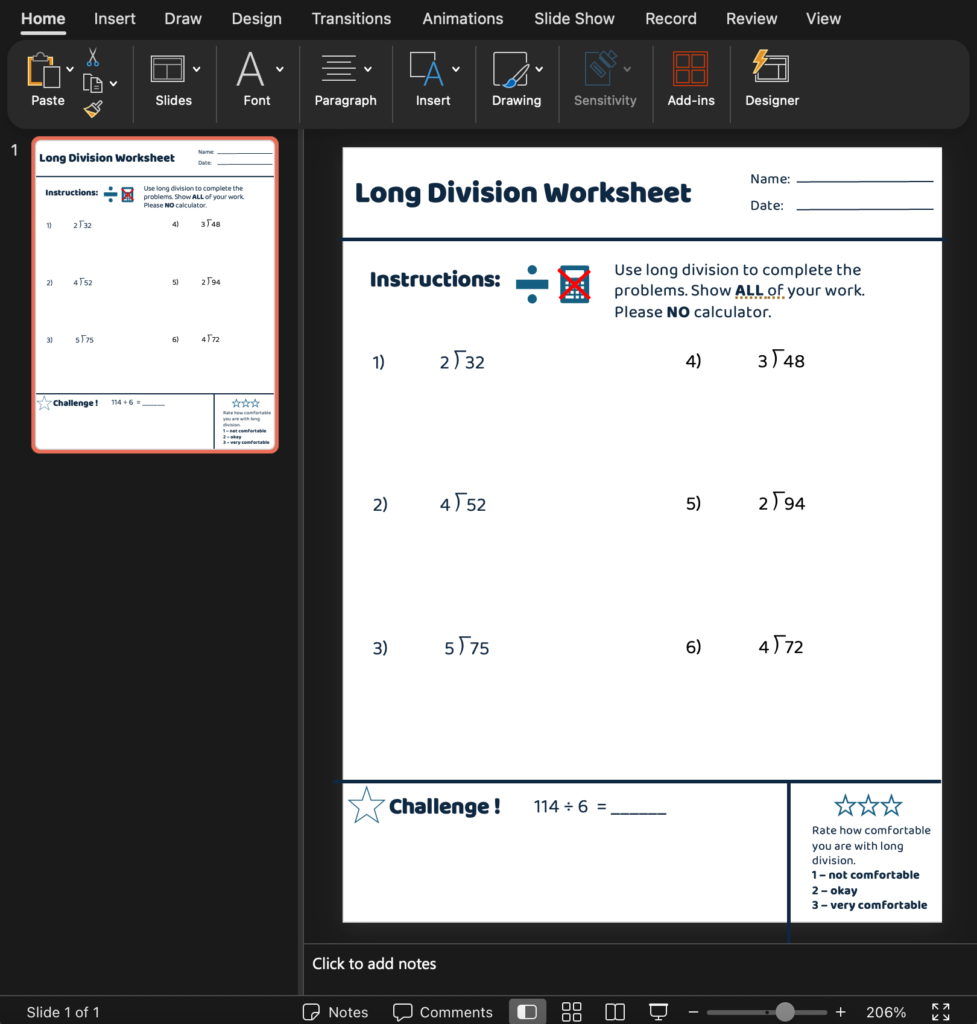
I thought today’s topics were both important and informative. Before this, I knew very surface level information on how to create multimedia images using technology, but now I have a overall better understanding. I found it interesting that you can create worksheets in PowerPoint, since I thought you could only create slideshow presentations. I had also never heard of the Cognitive Theory of Multimedia Learning and its 3 different loads: Intrinsic (manage – sequence and scaffold the material), Extraneous (minimize – remove clutter, integrate text and visuals), and Germane (maximize – encourage deep processing and schema construction). Lastly, we discussed different ways to use videos to share and present information, such as screen casting and using Zoom to create green-screen videos.
Overall, I found this lecture useful and interesting, and I’ll keep what I learned about multimedia in mind going forward.
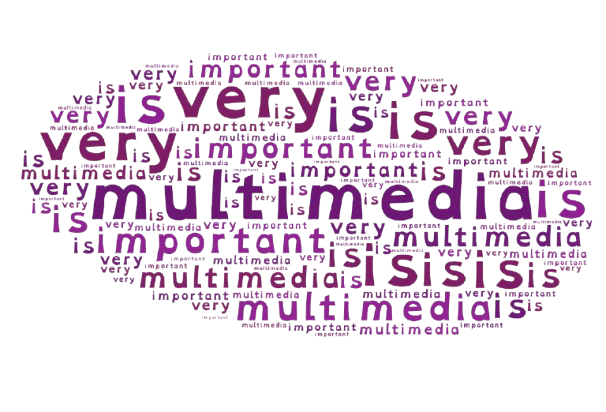
After our online meeting ended, I decided to play around with some of the different applications discussed:
On October 9th, we had guest speaker Jesse Miller in our online lecture. He talked about how technology is used in a classroom and how, as teachers, we are expected to have a different form of digital literacy. Technology and social media are part of our day-to-day lives, and it is important to understand how to use them responsibly as tools. As teachers, we are held to a different standard online, and our online presence reflects our professional identity. He used this presentation to show us how to navigate and use technology and social media responsibly and also how to educate students.
So what?
I found this presentation very interesting! I appreciate how he framed social media and technology as tools, not just as negative things, as people often overlook their benefits. I liked how he explained that social media lets people express themselves and find communities where they feel like they belong. But as a teacher, I have a responsibility to educate students about digital literacy, how to use it positively, and the negative side of the internet. I found his talk about digital identity very interesting. I think oftentimes people forget about their online presence. He brought up being cautious about what you access online when on school or public Wi-Fi, as even if you think that what you are doing is private, if you are connected to the Wi-Fi, they can still access your ‘private’ information. I think this was important to share because it shows that nothing online is truly private and that we should be wary of how we use technology in public. I had already learned many of the things he discussed from my past teachers, but I needed a reminder of how to navigate this digital age.
Now what?
I will use what I learned from this presentation to educate future students and myself. I will be more conscious of my digital identity and teach students why it matters. I will also communicate with students about digital literacy and how to practice it well. As Jesse mentioned, I also think it’s important not to ban social media, but to educate students about it, since it’s part of our day-to-day lives and ignoring it will not make the issues surrounding it go away. Lastly, I understand that technology and social media are continuously evolving, so I will keep educating myself on how to navigate them properly. Thank you Jesse for informing my class!!
On October 2nd, EDCI 336 A02 took a field trip to the Pacific School of Innovation and Inquiry. Before we arrived, I knew little about the school’s structure, since we discussed it only briefly in class in the weeks leading up to it. I was very excited to learn about this different form of schooling. Once we arrived, we walked in and were greeted by the founder, Jeff Hopkins. He introduced us to the school, explained why he started it, and how it is going. After the lecture portion of the tour, he showed us around the school. After the tour, we returned to the meeting room and were encouraged to ask questions. Overall, I found the tour very interesting and informative, and I am thankful to Jeff for letting us tour his school and for taking time out of his day.
Honestly, before the information session, I was a little confused about how it worked and whether students were truly gaining knowledge. I wasn’t the only one with this concern, though, as many of my classmates had similar questions, such as whether they would graduate with a Dogwood Degree. But once we got the introduction to the school, I understood its structure and goals better. I found it interesting that the school is more geared toward individual learning and letting students explore what they enjoy rather than what they need to be taught. We also learned what a typical day looks like at the school.
A ‘typical’ day at PSII:
Group meeting
Discussing the intention of the day and what the students want to accomplish
Independently learning
Students can choose what they do and can attend certain classes/meetings
Throughout the year, students will complete a variety of inquiry projects across different subjects. Students are mostly in charge of their own learning, but teachers ensure they stay on track and help them along the way. Students still have to meet the BC curriculum and the requirements to earn a Dogwood degree, but they have more flexibility in their learning journey and how they get there. Students also have many opportunities that traditional schools don’t, as PSII heavily integrates the community into its schooling.
For me, an inquiry-based school wouldn’t work for my learning style, as I thrive on structured instruction and clear timelines. But I can see how this would benefit many students with different learning needs. I also think this style of schooling supports more effective learning because students take charge of what they learn and how they learn, which helps ideas and concepts stick.
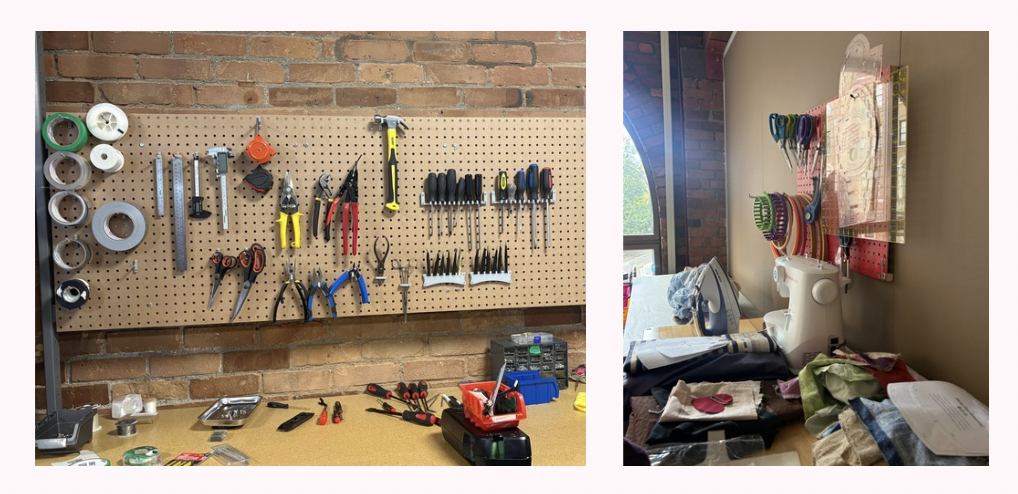
The school layout was a little confusing and didn’t feel traditional. The school had no typical classrooms, only meeting rooms and assessment rooms. It had a technology room, an art room, a sewing room, a music room, a science lab, a lunch room, a library, a dark room and a drama room. The layout was a little confusing for me personally, since the learning environments weren’t all in one area and you had to walk outside, but the building itself was very beautiful and seemed like a good learning environment.
Photos from the tour:
While touring the school, a classmate and I spoke with two students about their time at PSII and the inquiry project they were working on. They both said they really enjoyed the school. They both agreed that this learning structure worked well for them, and they found their inquiry projects very interesting. They were working on two separate projects in international relations, geography, and economics, and when they talked about them, it was clear they were very interested in the topics they chose.
Overall, I really enjoyed touring this school and think the structure, though not traditional, was very beneficial for different kinds of learners. I also enjoyed how the school seamlessly integrated Indigenous ways of learning in an intentional and informative way. Although I don’t think this school meets my personal needs, I think it still works very well for a variety of learners. Thank you, PSII, for letting us visit your school. I had a blast!